All Words That Begin With Re- That Means Again
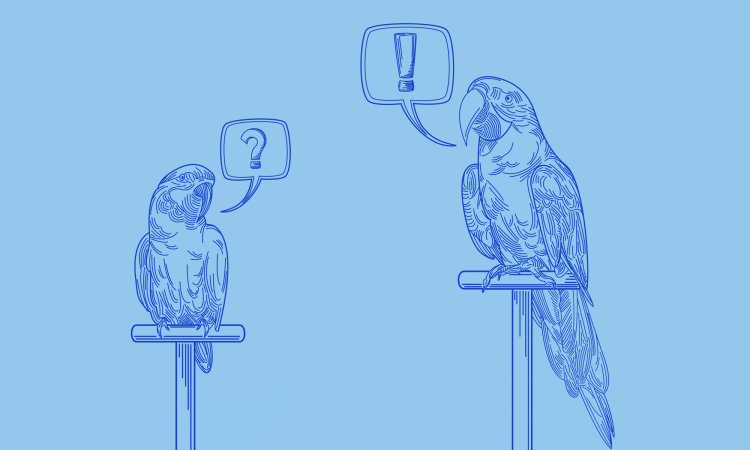
Words alter meaning all the fourth dimension — and over time. Language historian Anne Curzan takes a closer look at this phenomenon, and shares some words that used to mean something totally different.
Words change meaning over fourth dimension in means that might surprise you. We sometimes find words changing meaning under our noses (e.m., unique coming to mean "very unusual" rather than "one of a kind") — and it tin can be disconcerting. How in the world are we all going to communicate effectively if we allow words to shift in meaning similar that?
The good news: History tells us that we'll be fine. Words take been changing meaning — sometimes radically — every bit long as there have been words and speakers to speak them. Here is just a pocket-sized sampling of words yous may not have realized didn't ever mean what they mean today.
- Nice: This word used to mean "silly, foolish, simple." Far from the compliment it is today!
- Silly: Meanwhile,silly went in the reverse direction: in its earliest uses, it referred to things worthy or blessed; from there it came to refer to the weak and vulnerable, and more than recently to those who are foolish.
- Awful: Atrocious things used to be "worthy of awe" for a variety of reasons, which is how we get expressions like "the atrocious majesty of God."
- Fizzle: The verb fizzle once referred to the act of producing repose flatulence (think "SBD"); American higher slang flipped the word'south significant to refer to failing at things.
- Wench: A shortened form of the Quondam English word wenchel (which referred to children of either sex), the word wench used to hateful "female child" before it came to be used to refer to female person servants — and more pejoratively to wanton women.
- Fathom: Information technology can be difficult to fathom how this verb moved from meaning "to encircle with one's arms" to significant "to understand after much idea." Here's the scoop: Ane's outstretched artillery can be used every bit a measurement (a fathom), and once you take fathoms, you can utilise a fathom line to measure the depth of water. Think metaphorically and fathoming becomes virtually getting to the bottom of things.
- Clue: Centuries agone, a clue (or clew) was a ball of yarn. Remember about threading your way through a maze and you lot'll see how we got from yarn to primal bits of prove that aid us solve things.
- Myriad: If yous had a myriad of things 600 years ago, it meant that you specifically had 10,000 of them — not just a lot.
- Naughty: Long agone, if y'all were naughty, you lot had aught or zippo. Then it came to hateful evil or immoral, and now you are just badly behaved.
- Eerie: Before the give-and-take eerie described things that inspire fearfulness, information technology used to describe people feeling fright — equally in one could feel faint and eerie.
- Spinster: As it sounds, spinsters used to be women who spun. Information technology referred to a legal occupation before it came to mean "single woman" — and often non in the most positive ways, equally opposed to a available …
- Bachelor: A bachelor was a young knight earlier the word came to refer to someone who had achieved the lowest rank at a university — and it lives on in that pregnant in today'south B.A. and B.S degrees. It'due south been used for unmarried men since Chaucer's day.
- Flirt: Some 500 years ago, flirting was flicking something away or flicking open a fan or otherwise making a brisk or jerky motion. At present it involves playing with people'due south emotions (sometimes it may feel like your eye is getting jerked around in the process).
- Guy: This word is an eponym. It comes from the name of Guy Fawkes, who was function of a failed attempt to blow up Parliament in 1605. Folks used to burn his effigy, a "Guy Fawkes" or a "guy," and from there it came to refer to a frightful figure. In the U.S., information technology has come to refer to men in general.
- Hussy: Believe it or non, hussy comes from the word housewife (with several sound changes, clearly) and used to refer to the mistress of a household, not the disreputable woman it refers to today.
- Egregious: It used to be possible for it to be a proficient matter to be egregious: information technology meant you were distinguished or eminent. Only in the end, the negative meaning of the word won out, and now it ways that someone or something is conspicuously bad — not conspicuously practiced.
- Quell: Quelling something or someone used to mean killing it, not just subduing it.
- Divest: 300 years ago, divesting could involve undressing too every bit depriving others of their rights or possessions. It has only recently come to refer to selling off investments.
- Senile: Senile used to refer simply to annihilation related to old age, and then you could accept senile maturity. At present information technology refers specifically to those suffering from senile dementia.
- Meat: Have you always wondered near the expression "meat and potable"? It comes from an older pregnant of the word meat that refers to food in general — solid food of a variety of kinds (not just animal mankind), equally opposed to drink.
Nosotros're human. We honey to play with words in creative ways. And in the process, we change the language. In retrospect, we oftentimes think the changes words undergo are fascinating. May we transfer some of that fascination and wonder — some of the awe that used to make the words awful and awesome synonymous — to the changes we're witnessing today.
Sentinel Anne Curzan's TED Talk to find out what makes a word "real".
Source: https://ideas.ted.com/20-words-that-once-meant-something-very-different/
0 Response to "All Words That Begin With Re- That Means Again"
Postar um comentário